Finding the correct women’s bike size is crucial for comfort and safety, ensuring enjoyable rides. Brands offer specific charts, considering the female form for optimal fit.
Why Women’s Specific Bike Frames?
Women’s specific bike frames aren’t simply smaller versions of men’s bikes; they address distinct anatomical differences. Generally, women have narrower shoulders, wider hips, and longer legs relative to their torso length. These variations impact reach, standover height, and overall comfort.
Women’s bikes often feature shorter top tubes and narrower handlebars, promoting a more natural riding position. Saddles are typically wider to accommodate wider sit bones. Geometry adjustments prioritize comfort and control, reducing strain and enhancing efficiency. While not every woman requires a women’s specific frame, they offer a tailored fit for many, improving the cycling experience.
The Importance of Proper Fit
A proper bike fit is paramount for both comfort and performance. An ill-fitting bike can lead to discomfort, pain, and even injury, impacting knees, back, and wrists. Correct sizing ensures efficient power transfer, maximizing pedaling efficiency and reducing fatigue.
Beyond just size, factors like saddle height, handlebar reach, and cleat position play crucial roles. A well-fitted bike allows for a natural riding posture, promoting control and stability. Don’t rely solely on height; inseam measurements and professional fittings are highly recommended to achieve the optimal setup for your body.
Understanding Bike Frame Measurements
Key measurements like standover height, top tube length, and seat tube length determine bike fit. These dimensions impact reach, comfort, and overall riding experience.
Standover Height Explained
Standover height is the distance from the top tube to the ground, measured while standing over the bike. A proper standover height allows for a small clearance – typically one to three inches – between the top tube and your crotch. This ensures safety when dismounting quickly or stopping unexpectedly.
It’s a crucial initial fit point, but shouldn’t be the sole determinant of bike size. Women often have different proportions than men, making standover height particularly important for a comfortable and controlled ride. Always prioritize a fit that allows you to comfortably and confidently place your feet flat on the ground.
Top Tube Length and Reach
Top tube length, measured horizontally from the head tube to the seat tube, significantly impacts rider posture and control. Reach, a more modern measurement, indicates the horizontal distance from the bottom bracket to the head tube’s center.
For women, shorter top tubes and reach are common, accommodating typically shorter torsos and arms. A correctly sized top tube and reach prevent overextension and ensure comfortable handling. Consider these measurements alongside standover height for a balanced fit. Professional bike fits precisely determine optimal reach and top tube length for individual anatomy.
Seat Tube Length
The seat tube length, measured from the center of the bottom bracket to the top of the seat tube, traditionally determined bike frame size. However, it’s less definitive than reach and top tube length, especially with varying frame designs.
For women’s bikes, seat tube length correlates with inseam, but isn’t a standalone sizing solution. Shorter seat tubes often accompany women-specific geometries. Proper saddle height adjustment is crucial, independent of seat tube length, to ensure efficient pedaling and prevent knee strain. A professional bike fit refines saddle height based on individual biomechanics.
Women’s Bike Size Charts by Bike Type
Different bike styles—road, mountain, and hybrid—require distinct sizing approaches, reflecting their unique geometries and intended uses for women riders.
Women’s Road Bike Size Chart
Road bike sizing for women considers height and inseam, with charts often providing frame sizes in centimeters and feet/inches. For example, a rider between 147-155cm (4’10” ⏤ 5’1”) might fit an XXS frame with a 71cm seat tube. Moving up, 155-160cm (5’1” ⏤ 5’3”) typically corresponds to an XS frame and 75cm seat tube.
A 160-165cm (5’3” ‒ 5’5”) rider often needs a Small frame (51cm), while 170cm (5’7”) may suit a Medium (54cm). These are general guidelines; professional fitting is recommended. Remember, brands vary, so always consult their specific size charts for the most accurate fit. Prioritize comfort and efficient pedaling.
Road Bike Size Chart ⏤ Metric (cm)
This chart details road bike frame sizes using metric measurements (centimeters) for women. Riders 147-155cm generally fit a frame size of 48cm (XXS), with a 71cm seat tube length. Those measuring 155-160cm typically require a 51cm frame (XS) and 75cm seat tube. A height of 160-165cm often corresponds to a 54cm frame (Small), while 165-170cm suits a 56cm frame (Medium).
For riders 170-175cm, a 58cm frame (Large) is common, and 175-180cm may need a 60cm frame (X-Large). These are approximate; individual proportions and brand variations exist. Always cross-reference with the specific bike manufacturer’s size guide for optimal fit and comfort.
Road Bike Size Chart ‒ Imperial (ft/in)
This chart provides road bike frame sizes in imperial measurements (feet and inches) tailored for women. Riders between 4’10” and 5’1” generally fit a frame size of XXS. Those measuring 5’1” to 5’3” typically require a Small frame. A height of 5’3” to 5’5” often corresponds to a Medium size, while 5’5” to 5’7” suits a Large frame.
For riders 5’7” to 5’9”, an X-Large frame is common, and those taller than 5’9” may need a 2X-Large. These are general guidelines; individual body proportions and brand-specific sizing vary. Always consult the manufacturer’s size chart for the most accurate fit and a comfortable riding experience.
Women’s Mountain Bike (MTB) Size Chart
Mountain bike sizing differs from road bikes, prioritizing standover height and reach for control. Women under 5’4” often fit Small frames, while those between 5’4” and 5’7” typically need Medium sizes. Riders 5’7” to 5’10” generally suit Large frames, and those taller than 5’10” may require Extra Large.
However, MTB sizing can be more nuanced. Consider your inseam and riding style. Aggressive trail riding may benefit from a slightly smaller frame for maneuverability, while cross-country riding might favor a longer frame for efficiency. Always check brand-specific charts for accurate sizing.
MTB Size Chart ⏤ Small Frame Sizes
For women seeking small mountain bike frames, understanding the corresponding height ranges is key. Typically, riders between 5’0” and 5’3” will find a suitable fit within this size category. Frame sizes often range from 13” to 15”, but this varies by manufacturer, so consulting specific brand charts is vital.
Consider inseam measurements alongside height; a shorter inseam within this height range might necessitate the smaller end of the size spectrum. Small frames prioritize maneuverability, ideal for technical trails. Ensure adequate standover clearance for confidence and control during challenging descents.
MTB Size Chart ⏤ Larger Frame Sizes
Women exceeding 5’10” generally require larger mountain bike frame sizes, typically ranging from 17” to 19” or even larger, depending on the brand. These sizes offer increased stability, beneficial for high-speed trails and covering greater distances efficiently.
Riders in this height bracket should prioritize reach and stack measurements to ensure a comfortable and controlled riding position. A longer top tube provides a more extended posture, enhancing pedaling power. Always verify standover height to maintain safe dismounting capabilities, even on uneven terrain. Professional fitting is recommended.
Women’s Hybrid/City Bike Size Chart
Hybrid and city bikes prioritize comfort and upright riding positions, differing from performance-focused bikes. Women’s sizes generally correlate with height, starting around 48cm (XXS) for those under 5’3”, progressing to 54cm (Medium) for riders around 5’7”, and 58cm (Large) for taller individuals.
However, inseam plays a vital role, ensuring comfortable leg extension. Consider a slightly smaller frame if you prefer a more relaxed reach. These bikes often feature adjustable stems and seatposts, allowing for fine-tuning. Prioritize a comfortable saddle and handlebar position for enjoyable commutes or leisurely rides.
Hybrid Bike Size Chart ‒ General Guidelines
For hybrid bikes, a general guideline links rider height to frame size. Women under 5’4” typically fit a small (48-51cm) frame, while those between 5’4” and 5’7” often suit a medium (52-54cm). Riders exceeding 5’7” generally require a large (55-58cm) or extra-large (59+cm) frame.
However, these are starting points; individual proportions matter. Standover height—having a few inches of clearance—is crucial. Prioritize comfort; a slightly smaller frame is preferable to one that’s too large. Adjustable components like stems and seatposts allow for personalized fit refinement, ensuring an enjoyable riding experience.
Hybrid Bike Size Chart ⏤ Considerations for Comfort
Comfort is paramount with hybrid bikes, designed for varied terrain and leisurely rides. Consider your riding style; upright positions favor smaller frames for easy handling, while a more aggressive stance might suit a slightly larger size.
Reach—the distance to the handlebars—is vital. Ensure a comfortable stretch without strain. Adjustable stems and handlebars offer customization. Saddle height impacts leg extension; proper adjustment prevents knee pain. Test rides are essential to assess comfort, and professional fitting can fine-tune the bike to your body’s unique needs.

Using Height as a Starting Point
Height provides a general guideline for bike size, but it’s not definitive; inseam and body proportions significantly influence the ideal frame selection process.
Height-Based Size Guide (General)
Utilizing height as a preliminary guide, a rider around 5’0” to 5’3” typically fits a frame size of XXS (48cm), while those between 5’3” and 5’7” often find a Small (51cm) frame suitable. Individuals ranging from 5’7” to 5’10” generally require a Medium (54cm) size, and those taller, between 5’10” and 6’0”, usually benefit from a Large (57cm) frame.
However, remember these are broad estimations. A 5’4” rider might still need an XS or S depending on their inseam and overall body build. It’s vital to consider these factors alongside height for a more accurate initial size selection. Always prioritize a test ride and professional fitting for optimal comfort and performance.
Bike Sizes for Petite Women (Under 5’4″)
For women under 5’4”, finding a correctly sized bike can be challenging, as many brands start at sizes that are too large. Typically, these riders will need an XXS frame (around 48cm) or even smaller if available. Standover height is particularly important; ensuring ample clearance prevents discomfort and improves control.
Consider bikes specifically designed for women, as they often feature shorter top tubes and lower standover heights. Don’t hesitate to explore youth or smaller-framed models. A professional bike fit is highly recommended to fine-tune the bike to your specific proportions, maximizing comfort and efficiency.

Beyond Height: Inseam Measurement
Inseam is a vital metric for bike sizing, offering a more precise fit than height alone. Accurate measurement correlates directly to appropriate frame size selection.
How to Measure Your Inseam
To accurately determine your inseam, stand with your back against a wall, wearing cycling shorts and shoes. Place a book between your legs, mimicking a saddle. Measure from the top of the book to the floor – this is your inseam length. Ensure the measurement is taken with your feet shoulder-width apart. Alternatively, you can have a friend assist you for a more precise reading. This measurement is crucial because it directly impacts the standover height and overall bike fit. A correct inseam measurement ensures proper leg extension and prevents discomfort during rides. Remember to measure multiple times to confirm accuracy, and use this value when consulting bike size charts.
Inseam and Frame Size Correlation
Your inseam measurement directly correlates with the appropriate bike frame size, particularly the standover height. Generally, a longer inseam requires a larger frame, while a shorter inseam necessitates a smaller one. However, it’s not a sole determinant; reach and other factors are vital. Bike size charts utilize inseam to suggest a starting point for frame selection. For example, a specific inseam might correspond to an XS, Small, or Medium frame, depending on the bike type. Always cross-reference your inseam with the manufacturer’s size guide for the most accurate recommendation. Remember, this is a guideline, and a professional bike fit is recommended for optimal results.
Professional Bike Fitting
A professional bike fit ensures optimal comfort, efficiency, and injury prevention by tailoring the bike to your unique body geometry and riding style.
Benefits of a Professional Bike Fit
Investing in a professional bike fit yields numerous advantages for female cyclists; It goes beyond simply selecting a frame size; a skilled fitter analyzes your flexibility, riding style, and biomechanics. This detailed assessment allows for precise adjustments to saddle height, handlebar reach, and cleat position, maximizing power transfer and minimizing strain.
Properly fitted bikes reduce the risk of common cycling injuries like knee pain, back discomfort, and numbness. A fit optimizes your riding posture, enhancing efficiency and endurance. Ultimately, a professional bike fit translates to a more comfortable, enjoyable, and sustainable cycling experience, allowing you to ride further and faster with reduced risk of injury.
What to Expect During a Bike Fit
A professional bike fit typically begins with a comprehensive interview discussing your cycling history, goals, and any existing discomfort. Expect a physical assessment of your flexibility, posture, and leg length discrepancies. You’ll then ride your bike on a stationary trainer while the fitter observes your pedaling technique and body position.
Using specialized tools and software, they’ll analyze your movements and make adjustments to your bike’s components. This includes saddle height and fore/aft position, handlebar reach and angle, and cleat placement. The fitter will provide recommendations for adjustments and may suggest exercises to improve your flexibility and strength, ensuring a personalized and optimized fit.
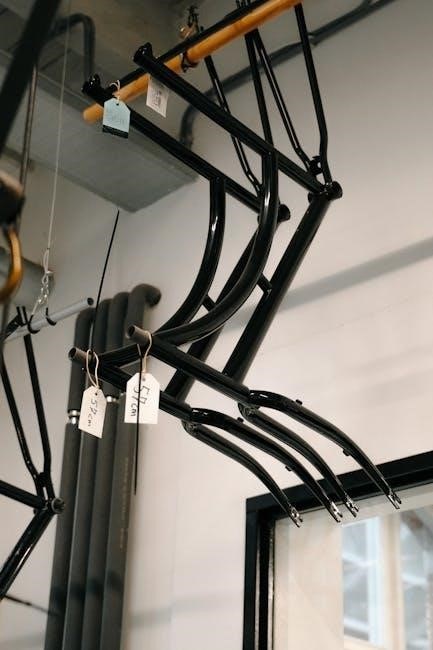
Test Riding and Fine-Tuning
Test rides are essential to confirm a comfortable fit; adjust saddle height and position for optimal pedaling and reach, maximizing enjoyment and efficiency.
The Importance of Test Rides
While size charts provide a starting point, a test ride is paramount in determining the perfect bike fit for a woman. Don’t solely rely on measurements; individual body proportions and preferences vary significantly. Trying multiple bicycles allows you to experience different geometries and identify what feels most comfortable and natural.
A short ride around the block isn’t enough; aim for a longer test ride mimicking your typical cycling conditions. Pay attention to how your body feels – are you reaching too far? Is the saddle comfortable? Do you feel balanced and in control? Remember, a professional fit can refine adjustments, but the initial feel during a test ride is invaluable.
Adjusting Saddle Height and Position
Fine-tuning saddle height is critical for efficient pedaling and preventing injuries. A good starting point is to have a slight bend in your knee when the pedal is at its lowest point. Fore/aft saddle position impacts weight distribution and comfort; adjust it to ensure your knee is aligned with the pedal spindle.

Saddle tilt also plays a role – a level saddle is common, but slight adjustments can alleviate pressure points. Remember, small changes can make a big difference. If discomfort persists, consider a professional bike fit to optimize your position and ensure proper biomechanics for a comfortable and efficient ride.
Common Bike Size Mistakes to Avoid
Don’t assume size based on clothing; ignore reach and stack measurements. Professional fitting is key, as rules are guidelines, and test rides are essential!
Assuming Size Based on Clothing Size
A frequent error is correlating bike size with clothing size, which is unreliable. Bike sizing depends on anatomical measurements – height and inseam – not dress or shirt sizes. These are completely different metrics! Clothing sizes vary significantly between brands and styles, offering no consistent basis for determining a suitable bike frame.
Relying on clothing size can lead to a drastically incorrect fit, impacting comfort, efficiency, and potentially causing injury. Always prioritize accurate body measurements and consult bike size charts or, ideally, a professional bike fit to ensure the correct frame size for your individual proportions. Don’t fall for the clothing size trap!
Ignoring Reach and Stack
Focusing solely on seat tube length overlooks crucial fit dimensions: reach and stack. Reach, the horizontal distance from the bottom bracket to the head tube, impacts your extension towards the handlebars. Stack, the vertical distance, determines handlebar height relative to the bottom bracket.
These measurements are vital for proper positioning, preventing strain and maximizing power transfer. A seemingly correct seat tube size might have an unsuitable reach or stack for your body geometry. Prioritizing reach and stack ensures a comfortable and efficient riding posture, especially for women with varying torso lengths and arm spans. Don’t neglect these key fit factors!

Resources for Further Research
Explore online bike size calculators and consult brand-specific charts for detailed guidance. Professional bike fits offer personalized recommendations for optimal sizing.
Online Bike Size Calculators
Numerous online bike size calculators can provide a starting point for determining your ideal frame size. These tools typically ask for your height, inseam, and sometimes arm length to suggest a range of suitable sizes. However, remember these calculators offer estimations, not definitive answers. They are best used as a preliminary guide before further investigation.
Several websites offer these calculators, and it’s wise to try a few different ones to compare results. Be aware that algorithms vary, leading to slightly different recommendations. Always cross-reference calculator suggestions with brand-specific size charts and, ideally, a professional bike fit for the most accurate assessment. Don’t solely rely on these tools for a perfect fit!
Bike Brand Specific Size Charts
While general size charts are helpful, bike brands often have their own unique sizing guidelines. This is because frame geometry and design philosophies differ between manufacturers. Trek, Specialized, Giant, and Cannondale, for example, may size their women’s bikes slightly differently.
Always consult the specific brand’s website or catalog for their size chart. These charts usually correlate height and inseam to recommended frame sizes for their models. Many brands also provide reach and stack measurements, offering a more precise fit assessment. Utilizing these brand-specific resources significantly increases the likelihood of selecting the correct frame size for optimal comfort and performance.