Motor City Pizza Overview
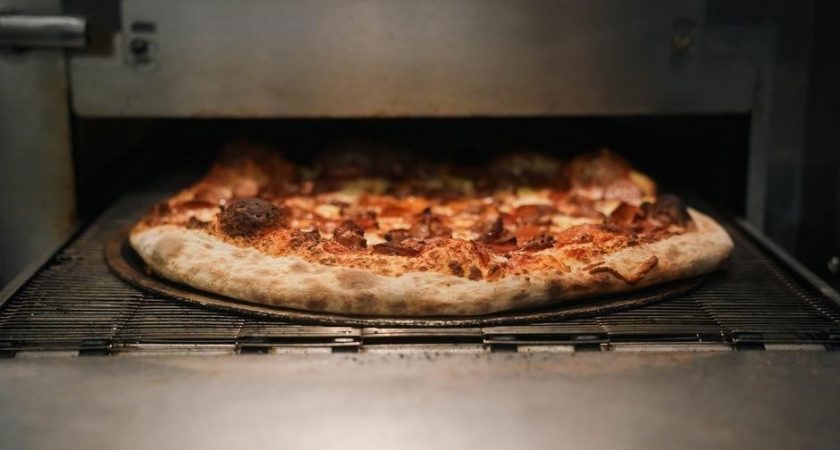
Detroit‑style pizza, born in the Motor City, blends a high‑hydration bread‑flour dough with a rectangular pan that browns edges. Brick cheese spreads to the rim, melting into a lacy, crispy crust. A bright red sauce anchors classic flavor, creating a hearty, iconic slice. Edges caramelize, crust buttery.
Historical Roots in Detroit
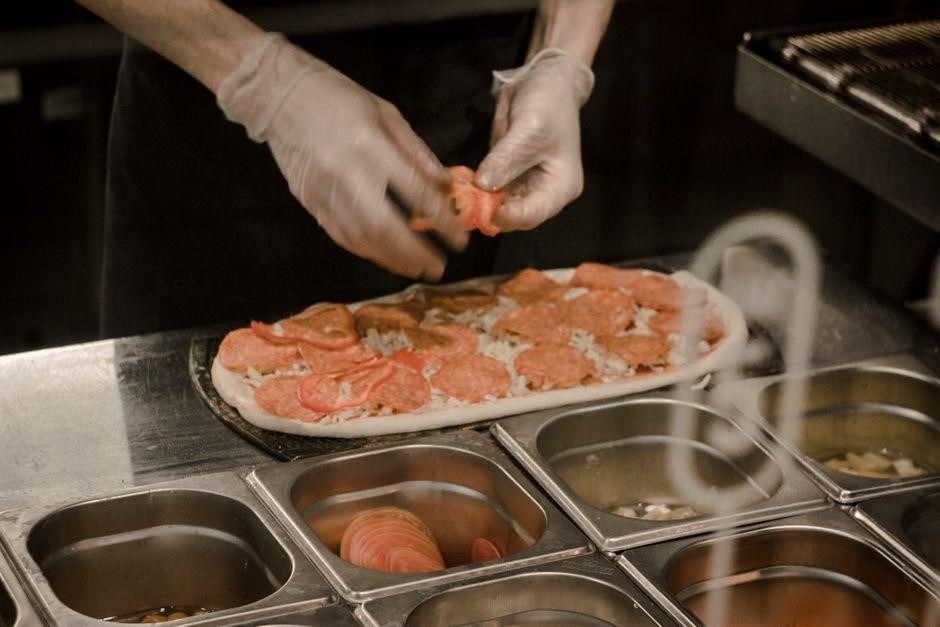
Detroit‑style pizza’s lineage can be traced back to 1946, when Gus Guerra and his wife Anna, proprietors of a modest bar in the Motor City, decided to experiment with a Sicilian‑style dough in a blue‑steel pan that had previously been used to transport auto parts. The resulting pie emerged with a distinctive blackened, lacy crust that wrapped around the edges, a feature that would later become the hallmark of the style. Though the recipe had been served in Detroit for decades, it remained largely a local secret until the mid‑2010s. In 2016, food journalists and culinary enthusiasts began to spotlight the pizza, and it quickly spread beyond the city’s borders. That same year, Serious Eats published a feature that highlighted the pie’s unique characteristics, sparking a surge of interest. By 2017, several specialty pizzerias across the United States began offering their own versions, and the style’s popularity continued to grow. Throughout 2018 and 2019, the pizza was featured in numerous food blogs and television segments, cementing its status as a culinary icon. In the early 2020s, the style was celebrated in Detroit’s annual food festivals, and it became a staple on menus of both local establishments and national chains. Today, the dish remains a symbol of Detroit’s culinary ingenuity, celebrated for its distinctive texture and hearty flavor profile, and it continues to inspire chefs and home cooks alike. Its enduring appeal comes from its texture and flavor, making it a staple gatherings a comfort food for generations!!
Key Ingredients
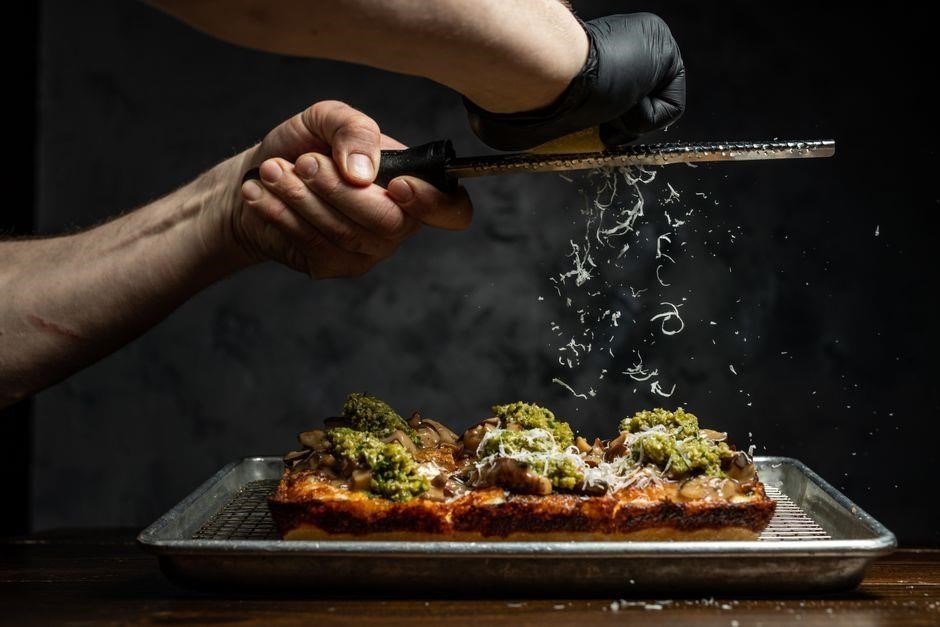
High‑hydration bread flour dough, brick cheese that spreads to the pan’s edges, a red sauce, and a specialized Detroit‑style pan. The dough’s moisture yields a chewy, crisp crust, while the cheese creates a lacy, caramelized edge. These elements combine for new a Motor City flavor!
High-Hydration Bread Flour Dough
High‑hydration dough is the cornerstone of Motor City pizza. Using 100% bread flour, the dough’s water content typically ranges from 70% to 75% of the flour weight, creating a sticky, elastic mix that yields a chewy yet crisp crust. Begin by dissolving yeast in warm water, then whisk in salt, sugar, and a splash of olive oil. Combine the wet and dry ingredients in a large bowl, stirring until a shaggy dough forms. Transfer to a lightly floured surface and knead for 8–10 minutes, or until the dough becomes smooth and elastic. Let the dough rest in a lightly oiled container, covered, for 1–2 hours, or until it doubles in size. After the bulk fermentation, gently punch down the dough, divide it into portions, and shape each into a rectangle that fits the Detroit‑style pan. Allow the shaped dough to proof for another 30 minutes, giving it a final rise before adding cheese and sauce. The high‑hydration formula ensures the crust develops a light, airy crumb with a golden, caramelized edge when baked at 500°F (260°C) for 12–15 minutes. The result is a pizza that balances tenderness, chewiness, and a satisfying crunch, embodying the Motor City’s signature style. The dough’s high‑hydration level also promotes a moist interior while the extended bulk rise allows gluten strands to align, giving the crust a pleasant chew. A cold fermentation can deepen flavor and improve texture. When shaping, press the dough gently into the pan to create a uniform thickness, ensuring even cooking. Patience shapes the crust!!! The dough is patientfully.
Brick Cheese and Lacy Crust
Brick cheese, a semi‑hard, low‑fat variety, is the signature dairy component of Motor City pizza. Its high moisture content and fine curd structure allow it to melt uniformly while retaining a slightly granular texture that crisps beautifully at the edges. When the cheese is spread all the way to the rim of the pan before any sauce or toppings are added, it forms a continuous barrier that traps steam. As the pizza bakes, the steam expands, pulling the cheese toward the perimeter and creating a lacy, caramelized crust that is both buttery and slightly charred. The cheese’s low fat level encourages browning, producing a golden, almost crust‑like edge that is crisp to the touch. To achieve the classic lacy effect, use a generous layer of shredded brick cheese, ensuring the edges are covered. The cheese should be applied in a thin, even coat, then allowed to melt for 10–12 minutes at 500°F (260°C). The result is a distinctive, slightly sweet, and savory crust that sets Motor City pizza apart from other styles. The lacy crust is a hallmark of the Detroit‑style pan, a testament to the careful balance of moisture, heat, and cheese selection that defines the city’s beloved pizza tradition. Its melt‑in‑the‑mouth texture, coupled with a undertone, makes each bite comforting reminder of Detroit’s culinary heritage.
In some variations, a splash of red wine is added, introducing depth the pairs the with crust.
Specialized Detroit-Style Pan
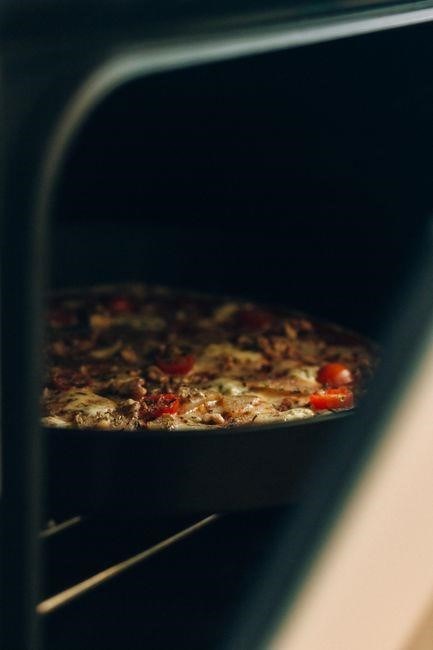
The hallmark of authentic Detroit‑style pizza is the pan itself. These rectangular pans, typically 12‑by‑14 inches, are made of heavy‑cast‑iron or steel, retaining and distributing heat evenly. The shallow depth—about one inch—creates a thin, crisp base while the high‑hydration dough spreads to the edges, forming a lacy, caramelized crust. The pan’s dark surface promotes rapid browning, giving the cheese a golden‑brown, slightly charred finish that is a signature of the style. Many pizzerias use a slightly sloped rim, allowing the cheese to flow toward the edges during baking. The porous metal draws excess moisture from the dough, preventing sogginess and ensuring a dry, crunchy bite. Preheat the pan in a 500°F (260°C) oven for 30 minutes; this locks in heat and ensures the bottom cooks quickly. After baking, the pan is wiped clean and lightly oiled to keep it in pristine condition for future use. The pan’s thickness—typically 1/4 inch—balances heat retention with quick cooking times. Proper storage—dry, covered, and away from moisture—extends its lifespan. When selecting a pan, consider the oven’s size: a 12‑by‑14 pan fits most standard ovens, while larger 14‑by‑16 pans are available for high‑volume operations. The pan’s aesthetic—its rustic, slightly worn look—contributes to the authentic Motor City pizza ambiance, inviting diners to savor the tradition. Its weight ensures the dough remains flat during baking, preventing doming and promoting an even crust thickness. The pan’s matte finish resists sticking, allowing for removal of the pizza without tearing the edges. Seasoning the pan with oil before each bake enhances heat transfer and preserves its integrity.!!!..
Step-by-Step Cooking Instructions
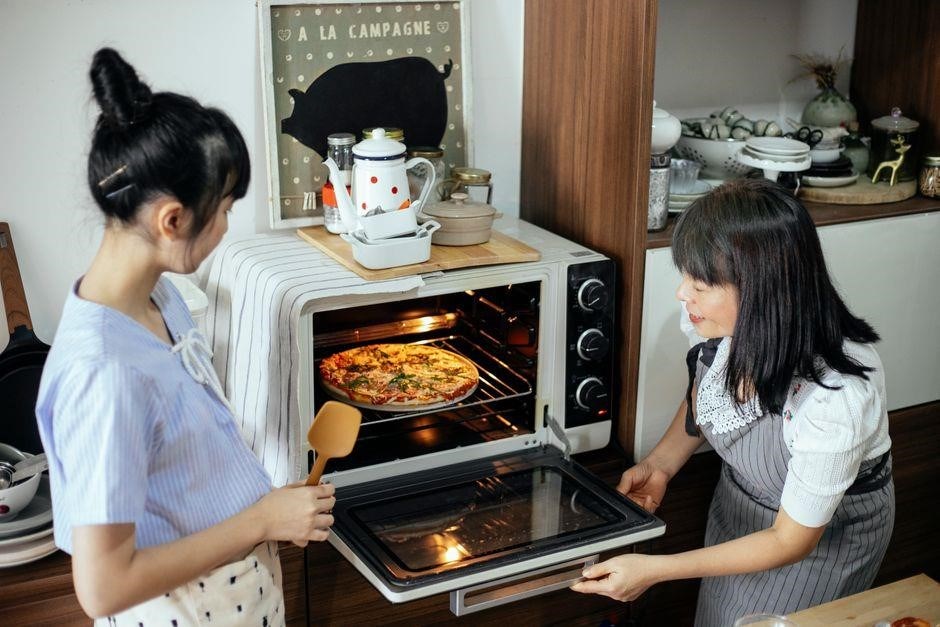
Preheat oven to 500°F. Stretch dough to pan size. Spread cheese to rim. Add sauce and toppings. Bake 12–15 min until crust golden. Rest 2 min, slice, serve. Let pizza cool slightly before cutting. Serve with a drizzle of olive oil or a sprinkle of fresh oregano.hot.
Dough Preparation
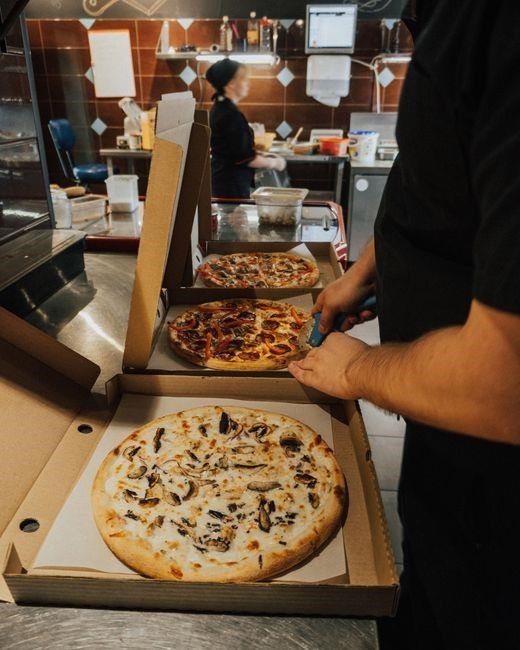
Begin by measuring 500 g bread flour, 350 ml water, 10 g salt, and 5 g instant yeast. Combine flour, salt, and yeast in a bowl, then gradually add water while stirring with a wooden spoon. The high‑hydration mix should feel sticky, almost like a thick batter. Transfer the dough onto a lightly floured surface and knead for 8–10 minutes until it develops a smooth, elastic texture. Place the dough in a lightly oiled bowl, cover with a damp cloth, and let it rise at room temperature for 1 hour or until it doubles in size. After the bulk fermentation, gently punch the dough to release gas, then shape it into a rectangle that fits a 12‑inch Detroit‑style pan. Let the shaped dough rest for 15 minutes to relax the gluten before adding cheese and toppings. This resting period ensures the crust will expand evenly during baking, producing the characteristic lacy, crispy edges that define Motor City pizza.
After the dough has rested, preheat the Detroit‑style pan in the oven for 10 minutes at 500°F to ensure maximum heat transfer. While the pan heats, stretch the dough to a 12‑inch rectangle, pressing it gently into the corners. Place the dough in the pan, pressing it into the edges so that the cheese will later form a lacy crust. Let the dough rise again for 30 minutes; this second rise allows the gluten to relax further, preventing a dense center. When ready, add a thin layer of sauce, then a generous amount of brick cheese, covering the entire surface. Finally, add toppings of your choice, keeping the cheese at the edges to seal the crust during baking.
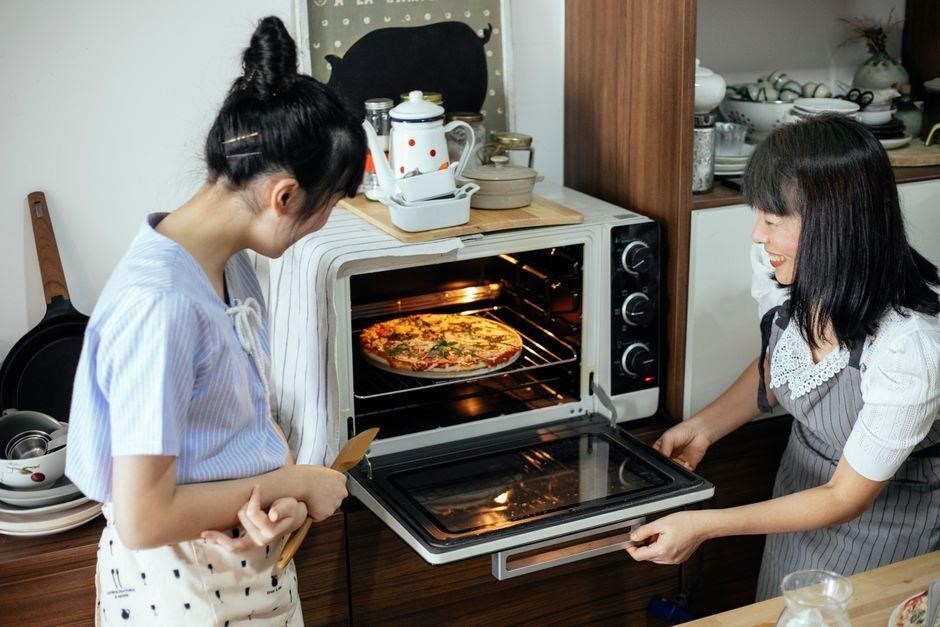
Before placing the pan in the oven, drizzle a coat of oil over the edges crisping. Bake for 12–15 minutes, watching the cheese edges brown to a golden hue. Once baked, remove the pan, let the pizza cool for a minute, then slice and serve hot!!
Cheese Application
Brick cheese, a hybrid of mozzarella and cheddar, is prized for its buttery melt and golden edges. Spread a generous 200 g layer over the dough, ensuring the cheese reaches the pan’s corners. The cheese should cover the surface completely, forming a protective barrier that locks in moisture and creates a caramelized crust. If you prefer a sharper bite, sprinkle a thin dusting of aged parmesan or a drizzle of olive oil before adding sauce. Bake at 500°F for 12–15 minutes until the cheese is bubbly and edges are golden brown. Let the pizza cool briefly before slicing to preserve the crisp crust.
Brick cheese, a hybrid of mozzarella and cheddar, is prized for its buttery melt and golden edges. Spread a generous 200 g layer over the dough, ensuring the cheese reaches the pan’s corners. The cheese should cover the surface completely, forming a protective barrier that locks in moisture and creates a caramelized crust. If you prefer a sharper bite, sprinkle a thin dusting of aged parmesan or a drizzle of olive oil before adding sauce. This not only enhances flavor but also contributes to a slightly crisp texture. When layering toppings, keep the cheese at the edges to seal the crust; this technique prevents sauce from seeping into the pan and ensures a clean, crisp finish. For a subtle smoky note, lightly toast the cheese in a dry skillet for 30 seconds before placing it in the pan. Finally, brush the edges with a thin layer of olive oil to promote even browning, ensuring each slice delivers the signature Motor City crunch.
Finally, brush the edges with a thin layer of olive oil to promote even browning, ensuring each slice delivers the signature Motor City crunch
Serve hot, enjoy!
Topping Placement
After the cheese has melted into a lacy, caramelized crust, it’s time to add the remaining elements that define the Motor City flavor profile. Start by spooning a thin, even layer of bright red sauce over the cheese, leaving a small margin at the edges to preserve the crispy cheese border. The sauce should be a classic blend of crushed tomatoes, garlic, oregano, and a touch of red pepper flakes for subtle heat. Once the sauce is spread, arrange pepperoni slices in a circular pattern that radiates from the center toward the edges, ensuring each slice touches the cheese to allow the flavors to mingle. For a richer texture, sprinkle a handful of diced bell peppers or caramelized onions over the pepperoni, then finish with a light dusting of fresh basil or oregano. This layering technique ensures that the heat from the oven melts the pepperoni into a slightly crisp edge while the sauce remains moist and the cheese continues to brown. Finally, place a few thin strips of smoked sausage or a sprinkle of ground beef for those who prefer a heartier bite, but keep the toppings modest so the signature brick‑cheese crust remains the star of the show. The final touch is a drizzle of high‑quality olive oil, a scattering of fresh cracked pepper, and a sprinkle of grated Parmesan, all of which elevate the flavor profile and add a subtle nutty aroma that lingers on the palate, making every bite a memorable experience. It also invites diners to savor the harmony of textures, from the crisp edges to the soft, airy center, ensuring that each slice delivers both comfort and sophistication. Finally, a dusting of smoked paprika and a squeeze of lemon zest add a bright, aromatic finish that complements the savory depth, turning each bite into a delightful culinary adventure that celebrates Detroit’s rich pizza heritage.
Baking Process
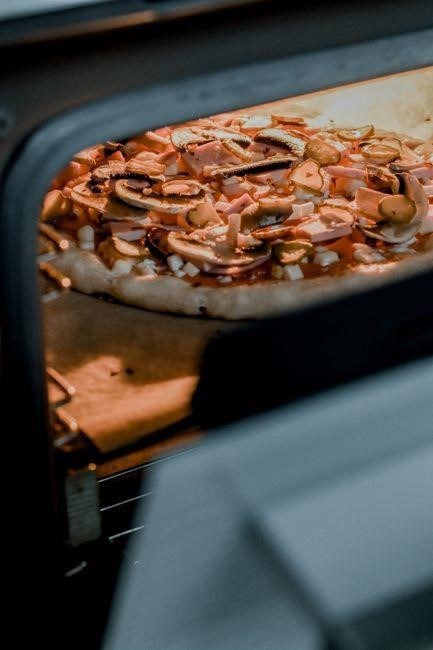
Place the assembled pizza in a preheated oven set to 500°F (260°C). The high temperature is essential for achieving the signature caramelized cheese crust while keeping the dough tender inside. Use a baking stone or steel sheet to distribute heat evenly; if unavailable, a heavy-duty pizza pan works well. Slide the pan onto the middle rack, allowing the heat to circulate around the edges. Bake for 10 to 12 minutes, monitoring closely. The cheese should form a golden‑brown, lacy edge, and the crust should be crisp yet chewy. If the top is browning too quickly, tent the pizza loosely with foil to prevent over‑browning. Once the pizza reaches the desired crispness, remove it from the oven and let it rest for 2 minutes. This brief rest allows the cheese to set, making slicing easier and preserving the delicate crust structure. Finally, slice the pizza into rectangular wedges, ensuring each piece contains a balanced mix of crust, cheese, sauce, and toppings. Serve immediately for the best texture and flavor experience.
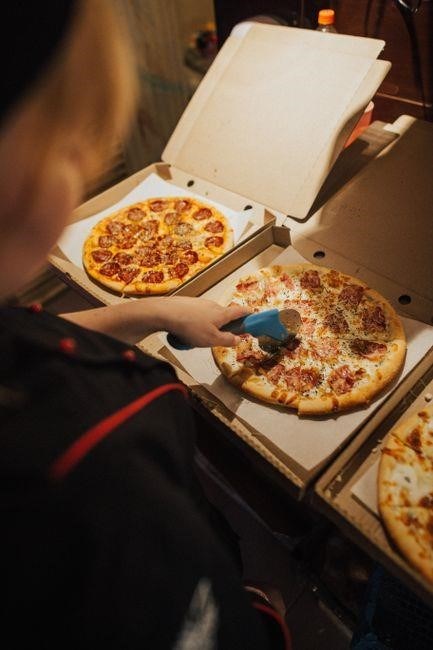
The oven’s radiant heat works like a forge, turning the dough’s outer layer into a golden, blistered shell while the interior remains airy. This duality is the hallmark of Detroit‑style pizza, where the crust’s crispness balances the chewy center. After removal, let the pizza sit on a cooling rack for a minute; this prevents steam from softening the edges. When slicing, use a sharp knife or a pizza cutter to avoid tearing the delicate crust. Each wedge should showcase a harmonious blend of sauce, cheese, and toppings, offering a satisfying followed melt‑in‑your‑mouth finish. The result is a pizza that feels both rustic and refined, a true testament to the Motor City’s culinary ingenuity.
Serving Suggestions
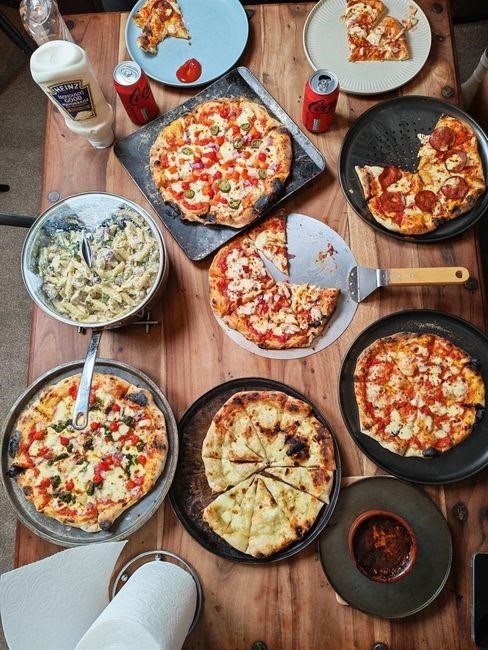
Finally, enjoy the pizza with a cold, crisp beer—preferably a light lager or a pilsner—or a chilled glass of sparkling water with a slice of lemon. The carbonation helps cleanse the palate between bites, keeping the flavors fresh and vibrant The lightherb‑infused vinaigrette or a simple tomato‑based dressing to complement the savory notes Fresh zest
Troubleshooting Common Issues
When the crust falls flat, the dough may be under‑proofed or the pan too hot. Let the dough rest longer, or lower the oven temperature by 25°F. If the cheese edge doesn’t caramelize, spread it farther to the rim and bake a few extra minutes. A soggy top often means the sauce is too watery; reduce the tomato puree to a thicker consistency or simmer it to evaporate excess liquid. Over‑baked crust can be remedied by covering the pizza with foil during the last five minutes of baking. If the pan leaves a dark scorch, use a lighter‑colored steel pan or line the bottom with parchment to protect the dough. Finally, a lack of crunch can be fixed by preheating the pan in the oven for 10 minutes before adding the dough, ensuring a hot surface that crisps the edges immediately. Adjusting these variables will help you achieve the classic Motor City texture and flavor.
If the crust turns too dark, reduce the oven temperature or place a sheet of parchment on the pan before baking. A soggy center often indicates the dough was under‑cooked; try baking at a higher temperature for the first 10 minutes, then lower it to finish. Excessive sauce can drown the cheese; use a thin layer and let it simmer before adding toppings. When the cheese melts unevenly, rotate the pan halfway through baking. If the pan is too shallow, the dough may spread too thin; use a deeper pan or add a small amount of olive oil to the bottom to help the dough rise; Finally, if the pizza comes out too dry, brush the crust with a light drizzle of olive oil before serving to add moisture and shine and zest.!